When it comes to selecting the perfect flooring for your home, the choices can be overwhelming. Among the myriad of options available, natural quartz stone flooring stands out not only for its aesthetic appeal but also for its remarkable health benefits. This unique flooring material is composed of natural quartz crystals, which are known for their durability and resilience. As homeowners increasingly prioritize health and wellness in their living spaces, understanding the advantages of quartz stone flooring becomes essential.Natural quartz stone flooring is not just a beautiful addition to any room; it also contributes to a healthier indoor environment.
Unlike traditional flooring materials such as carpets or vinyl, which can harbor allergens and toxins, quartz stone offers a non-porous surface that resists the accumulation of dust, mold, and bacteria. This characteristic makes it an ideal choice for families with children or pets, as it helps maintain a cleaner and safer living space.Moreover, the installation of quartz stone flooring can significantly enhance indoor air quality. Many conventional flooring options release volatile organic compounds (VOCs) that can negatively impact health over time. In contrast, natural quartz is free from harmful chemicals and does not emit any toxic substances into the air.
This makes it a sustainable choice for environmentally conscious homeowners who are looking to create a healthier home.As we delve deeper into the various health benefits associated with natural quartz stone flooring, it becomes clear that this material is not only a practical choice but also an investment in your well-being. From its hypoallergenic properties to its ease of maintenance, quartz stone flooring offers a compelling case for those seeking both beauty and functionality in their homes.
What is Natural Quartz Stone Flooring?
Natural quartz stone flooring is a stunning and durable option that has gained popularity in both residential and commercial spaces. Composed primarily of quartz , one of the most abundant minerals on Earth, this type of flooring is not only aesthetically pleasing but also offers a range of practical benefits.Quartz stone flooring is created by combining approximately 90% crushed natural quartz crystals with resins and pigments. This process results in a highly durable surface that can withstand heavy foot traffic while maintaining its beauty over time.Unlike other flooring materials, quartz stone is non-porous, which means it does not absorb liquids or harbor bacteria, making it an excellent choice for maintaining a clean and healthy environment.There are several types of natural stone flooring, each with its unique characteristics:
- Granite: Known for its strength and resistance to scratches, granite is a popular choice for high-traffic areas.
- Marble: Renowned for its luxurious appearance, marble offers a classic look but requires more maintenance due to its porous nature.
- Limestone: This softer stone provides a warm aesthetic but may be more susceptible to staining and scratching.
- Slate: With its unique texture and color variations, slate is ideal for creating a rustic or natural look.
Its unique composition and properties make it stand out among various types of flooring materials available today.
Health Benefits of Natural Quartz Stone Flooring
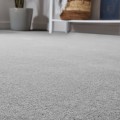
Natural quartz stone flooring is not only a stunning addition to any home but also offers a plethora of health benefits that make it an ideal choice for those concerned about their indoor environment. One of the most significant advantages of quartz flooring is its hypoallergenic properties. Unlike traditional flooring options such as carpets, which can trap dust, pet dander, and other allergens, quartz stone provides a smooth, non-porous surface that resists the accumulation of these harmful particles.This characteristic is particularly beneficial for households with allergy sufferers or young children. By minimizing the presence of allergens, quartz flooring helps create a cleaner and healthier living space.Regular cleaning is simplified as well; a quick sweep or mop is often all that is needed to maintain its pristine condition.In addition to being hypoallergenic, natural quartz stone flooring significantly contributes to improved indoor air quality. Many conventional flooring materials release volatile organic compounds (VOCs) into the air, which can lead to respiratory issues and other health problems. In contrast, quartz is a natural material that does not emit harmful chemicals, making it a safer choice for your home.Furthermore, the durability of quartz flooring means it can withstand heavy foot traffic without deteriorating. This resilience not only extends the lifespan of your flooring but also reduces the need for frequent replacements, which can contribute to waste and environmental concerns.Another noteworthy aspect of quartz flooring is its ability to regulate temperature.
The stone naturally retains heat, which can help maintain a comfortable indoor climate. This thermal efficiency can lead to lower energy costs as your heating system may not have to work as hard during colder months.In summary, choosing natural quartz stone flooring offers numerous health benefits, including:
- Hypoallergenic properties that reduce allergens in the home.
- Improved indoor air quality by eliminating harmful VOC emissions.
- Durability that minimizes waste and the need for frequent replacements.
- Temperature regulation that enhances comfort and energy efficiency.
Durability and Maintenance of Quartz Stone Flooring
When considering flooring options, durability is often at the forefront of a homeowner's mind. Natural quartz stone flooring stands out as one of the most resilient choices available. Composed of approximately 90% crushed natural quartz, this flooring option is not only aesthetically pleasing but also incredibly tough.It can withstand heavy foot traffic, making it ideal for both residential and commercial spaces.One of the key advantages of quartz stone flooring is its resistance to scratches and stains. Unlike softer materials such as hardwood or laminate, quartz does not easily show wear and tear, ensuring that your floors maintain their beauty over time. Additionally, quartz is non-porous, which means it does not absorb liquids or harbor bacteria, making it a hygienic choice for kitchens and bathrooms.
Maintenance Tips for Quartz Stone Flooring
While quartz stone flooring is low-maintenance compared to other materials, proper care can enhance its longevity and appearance. Here are some essential maintenance tips:- Regular Cleaning: Sweep or vacuum your floors regularly to remove dirt and debris.
This prevents scratches and keeps the surface looking pristine.
- Use Mild Cleaners: For deeper cleaning, use a pH-balanced cleaner specifically designed for stone surfaces. Avoid harsh chemicals that can damage the finish.
- Wipe Spills Immediately: Although quartz is resistant to stains, it’s best to wipe up spills promptly to prevent any potential discoloration.
- Avoid Heavy Impact: While quartz is durable, dropping heavy objects can still cause chips or cracks. Use caution in high-traffic areas.
- Seal When Necessary: Although many quartz floors come pre-sealed, it’s wise to check periodically and reseal if needed to maintain their protective barrier.
Investing in quartz stone flooring means choosing a material that will continue to look great and perform well for years to come.
Environmental Impact of Natural Quartz Stone Flooring
When considering flooring options, the environmental impact is a crucial factor for many homeowners and builders. Natural quartz stone flooring stands out as a sustainable choice that aligns with eco-friendly practices. This section delves into the sustainability of quartz stone and its environmental benefits, making it an attractive option for those looking to minimize their ecological footprint.One of the primary advantages of natural quartz stone is its abundant availability. Quartz is one of the most common minerals on Earth, which means that sourcing it does not typically involve extensive mining operations that can disrupt ecosystems.The extraction process for quartz is generally less harmful compared to other materials, such as hardwood, which often requires deforestation and can lead to habitat loss.Moreover, quartz stone is incredibly durable and long-lasting. Unlike other flooring materials that may need to be replaced every few years, quartz can withstand heavy foot traffic and resist wear and tear. This longevity translates to less waste in landfills over time, as fewer replacements are necessary. In fact, when properly maintained, quartz flooring can last for decades, making it a wise investment for both your home and the environment.Another significant aspect of natural quartz stone flooring is its low maintenance requirements.
Unlike carpets or vinyl flooring that may require chemical cleaners or treatments, quartz can be easily cleaned with water and mild soap. This reduces the need for harsh chemicals that can contribute to indoor air pollution and harm the environment when washed away.Additionally, many manufacturers of quartz stone flooring are committed to sustainable practices. They often utilize eco-friendly production methods that minimize energy consumption and reduce carbon emissions. Some companies even incorporate recycled materials into their products, further enhancing their sustainability profile.In summary, choosing natural quartz stone flooring not only enhances the aesthetic appeal of your home but also supports a more sustainable future.
By opting for this eco-friendly material, you contribute to reducing environmental degradation while enjoying a beautiful and durable flooring solution.
Comparing Quartz Stone Flooring with Other Materials
When it comes to selecting the right flooring for your home, understanding the differences between various materials is crucial. Natural quartz stone flooring stands out among popular options like hardwood and tile, each with its unique characteristics and benefits.Durability and Maintenance
One of the most significant advantages of quartz stone flooring is its exceptional durability. Unlike hardwood, which can scratch and dent easily, quartz is resistant to wear and tear, making it ideal for high-traffic areas. Additionally, it does not require the same level of maintenance as hardwood floors, which need regular refinishing and can be susceptible to moisture damage.Tile flooring, while also durable, can be prone to cracking if heavy objects are dropped on it.Quartz, on the other hand, offers a more resilient surface that can withstand impacts without damage. This makes it a practical choice for families with children or pets.
Health Benefits
From a health perspective, quartz stone flooring has an edge over both hardwood and tile. Unlike hardwood, which can harbor allergens and dust particles in its grain, quartz provides a smooth surface that is easy to clean and does not trap dirt. This feature is particularly beneficial for individuals with allergies or respiratory issues.Tile flooring often requires grout lines that can accumulate dirt and bacteria over time.In contrast, quartz stone's non-porous nature prevents moisture absorption, reducing the risk of mold growth and making it a healthier option for indoor environments.
Aesthetic Appeal
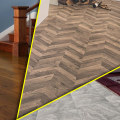
Aesthetically, quartz stone offers a modern and elegant look that can complement various interior designs. While hardwood provides a warm and traditional feel, it may not suit every decor style. Tile comes in numerous designs but often lacks the natural beauty found in quartz.Quartz is available in a wide range of colors and patterns, allowing homeowners to achieve their desired aesthetic without compromising on functionality. This versatility makes it an attractive option for those looking to enhance their living spaces.Cost Considerations
When comparing costs, it's essential to consider both initial investment and long-term value.While quartz stone flooring may have a higher upfront cost than some hardwood options, its durability means fewer repairs and replacements over time. In contrast, tile can be less expensive initially but may require more frequent replacements due to cracking or chipping.Ultimately, choosing the best flooring option depends on your specific needs and lifestyle. By weighing the pros and cons of quartz stone against hardwood and tile, you can make an informed decision that enhances both your home’s beauty and functionality.
Installation Process for Quartz Stone Flooring
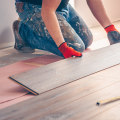
Installing natural quartz stone flooring can be a rewarding project that enhances the beauty and functionality of your home. Whether you choose to hire professionals or take on a DIY approach, understanding the installation process is crucial for achieving optimal results.Preparing for Installation
Before diving into the installation, proper preparation is essential.Start by assessing the subfloor to ensure it is clean, dry, and level. Any imperfections in the subfloor can lead to issues down the line, such as cracking or uneven surfaces. If necessary, use a leveling compound to create a smooth base.
Choosing the Right Adhesive
When installing quartz stone flooring, selecting the appropriate adhesive is vital. A high-quality thin-set mortar specifically designed for stone applications is recommended.This type of adhesive provides strong bonding and helps prevent moisture issues that can arise with inferior products.
Professional Installation vs. DIY
Deciding between professional installation and a DIY approach depends on your skill level and comfort with home improvement projects. Here are some considerations:- Professional Installation: Hiring experienced installers can save time and ensure that the job is done correctly. Professionals have the tools and expertise to handle complex cuts and patterns, which can be particularly beneficial for intricate designs.
- DIY Installation: If you are handy and enjoy home improvement projects, installing quartz stone flooring yourself can be fulfilling.
However, it requires careful planning and attention to detail. Make sure to follow manufacturer guidelines closely and take your time during the installation process.
Installation Tips
For those opting for a DIY installation, here are some helpful tips:- Measure Accurately: Take precise measurements of your space to determine how much material you will need. Always order a little extra to account for mistakes or future repairs.
- Acclimate Your Quartz: Allow your quartz stone slabs to acclimate in the room where they will be installed for at least 48 hours before beginning the installation. This helps prevent expansion or contraction after installation.
- Use Spacers: When laying down the tiles, use spacers to maintain consistent gaps between each piece.
This ensures even grout lines and a professional finish.
- Grouting: After the tiles are set and the adhesive has cured, apply grout between the tiles. Choose a grout that complements your quartz stone color for a cohesive look.
FAQs About Natural Quartz Stone Flooring
Natural quartz stone flooring is gaining popularity, but many potential buyers have questions and concerns. Here, we address some of the most frequently asked questions about this unique flooring option.What is natural quartz stone flooring?
Natural quartz stone flooring is made from one of the most abundant minerals on Earth. It is a durable and aesthetically pleasing option that combines beauty with functionality.Unlike synthetic materials, natural quartz is sourced directly from the earth, ensuring that each slab has its own unique patterns and colors.
Is quartz flooring suitable for all areas of my home?
Yes, quartz flooring is versatile and can be used in various areas of your home, including kitchens, bathrooms, and living spaces. Its durability makes it resistant to scratches and stains, making it an excellent choice for high-traffic areas. However, it’s essential to ensure proper installation to maximize its benefits.How does quartz flooring compare to other materials?
When compared to other flooring options like hardwood or laminate, quartz offers superior durability and resistance to moisture. Unlike hardwood, which can warp or swell in humid conditions, quartz remains stable.Additionally, it does not harbor allergens like carpets do, making it a healthier choice for indoor environments.
Are there any maintenance requirements for quartz flooring?
Maintaining natural quartz stone flooring is relatively simple. Regular sweeping or vacuuming will help remove dirt and debris. For deeper cleaning, a damp mop with a mild detergent is usually sufficient. Avoid harsh chemicals that can damage the surface.What are some common myths about quartz flooring?
- Myth: Quartz flooring is too slippery.
- Fact: While polished quartz can be slippery when wet, many manufacturers offer textured finishes that provide better traction.
- Myth: Quartz flooring is too expensive.
- Fact: While the initial investment may be higher than some alternatives, the long-term durability and low maintenance costs make it a cost-effective choice over time.
Conclusion: The Case for Natural Quartz Stone Flooring
In conclusion, the choice of flooring can significantly impact not only the aesthetic appeal of your home but also the health and well-being of its inhabitants.Natural quartz stone flooring emerges as a standout option, offering a multitude of benefits that extend beyond mere visual allure.One of the most compelling advantages of natural quartz stone is its durability. Unlike many other flooring materials, quartz is resistant to scratches, stains, and wear, making it an ideal choice for high-traffic areas. This resilience ensures that your floors will maintain their beauty and functionality for years to come, reducing the need for frequent replacements and minimizing waste.Moreover, natural quartz stone is inherently non-toxic and free from harmful chemicals. This characteristic is particularly important in today’s world, where indoor air quality is a growing concern.
By opting for quartz flooring, you are choosing a material that does not emit volatile organic compounds (VOCs), which can contribute to respiratory issues and other health problems.Another significant benefit is its hygienic properties. The smooth surface of quartz stone does not harbor dust mites, allergens, or bacteria, making it an excellent choice for families with children or pets. Regular cleaning is straightforward; a simple sweep or damp mop can keep your floors looking pristine without the need for harsh chemical cleaners.Additionally, quartz stone offers remarkable thermal properties. It remains cool underfoot in warmer months, providing comfort during hot weather while also being able to retain heat in cooler seasons.
This natural temperature regulation can contribute to energy savings by reducing reliance on heating and cooling systems.Finally, the aesthetic versatility of natural quartz stone cannot be overlooked. Available in a variety of colors and patterns, it can complement any interior design style—from modern minimalism to rustic charm. This adaptability allows homeowners to express their personal style while investing in a flooring solution that enhances their living environment.In summary, choosing natural quartz stone flooring is not just a design decision; it is a commitment to health, sustainability, and long-term value. With its durability, non-toxic nature, hygienic benefits, thermal efficiency, and aesthetic appeal, quartz stone stands out as an exceptional flooring option that deserves serious consideration for any home renovation or new build project.