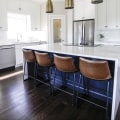
When it comes to flooring, the choices available can be overwhelming, yet few options resonate with homeowners and designers quite like hardwood and wood-looking tile floors. These materials not only enhance the aesthetic appeal of a space but also embody a sense of timelessness that transcends fleeting design trends. The allure of natural wood, with its unique grains and textures, has captivated people for centuries, making it a staple in both traditional and contemporary interiors.Hardwood floors are often celebrated for their warmth and elegance, providing a rich backdrop that complements various decor styles. From rustic cabins to modern urban lofts, hardwood can adapt seamlessly to any environment.
The latest innovations in finishing techniques have introduced a spectrum of colors and styles, including the increasingly popular gray and white washed finishes that offer a fresh take on classic wood aesthetics. This versatility ensures that hardwood remains relevant in today’s design landscape.On the other hand, wood-looking tile floors have emerged as a practical alternative for those who desire the beauty of wood without the maintenance challenges associated with it. These tiles are crafted to mimic the intricate details of real wood, including its natural veining and texture, making them indistinguishable from their authentic counterparts at first glance. With advancements in technology, wood-looking tiles are now available in an array of colors and finishes, allowing homeowners to achieve their desired look while benefiting from enhanced durability and ease of care.As we delve deeper into the world of flooring options, it becomes clear that both hardwood and wood-looking tile floors offer unique advantages that cater to diverse preferences and lifestyles.
Their enduring appeal lies not only in their beauty but also in their ability to withstand the test of time, making them wise investments for any home.
The Enduring Appeal of Hardwood Floors
Hardwood floors have long been celebrated for their timeless beauty and unmatched elegance. One of the most compelling characteristics of hardwood is its natural aesthetic, which brings warmth and a sense of authenticity to any space. The rich textures and unique grain patterns found in hardwood create a visual interest that is difficult to replicate with synthetic materials. Each plank tells a story, showcasing the natural variations that occur in wood, making every floor a one-of-a-kind masterpiece.Beyond their beauty, hardwood floors offer numerous benefits that contribute to their enduring appeal.For starters, they are incredibly durable. When properly maintained, hardwood floors can last for decades, even centuries. This longevity makes them a wise investment for homeowners looking to enhance their property value. Additionally, hardwood is easy to clean and maintain; regular sweeping and occasional refinishing can keep these floors looking pristine.Another significant advantage of hardwood flooring is its versatility in design.
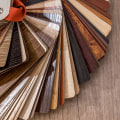
Homeowners can choose from a wide array of hardwood flooring styles , ranging from traditional oak and maple to more exotic options like teak and mahogany. Each type of wood comes with its own set of characteristics, including color variations, hardness levels, and grain patterns. This variety allows homeowners to select a style that perfectly complements their interior design vision.Moreover, the emotional connection many people have with hardwood cannot be overlooked. The warmth of wood evokes feelings of comfort and nostalgia, often reminding individuals of family gatherings or cherished memories in their childhood homes.
This emotional resonance makes hardwood floors not just a functional choice but also a deeply personal one.In summary, the enduring appeal of hardwood floors lies in their combination of aesthetic beauty, durability, versatility, and emotional significance. As trends come and go, hardwood remains a steadfast choice for those seeking to create inviting and timeless spaces in their homes.
Understanding Wood-Looking Tile Floors
Wood-looking tile floors have emerged as a popular alternative to traditional hardwood, offering a unique blend of aesthetic appeal and practical benefits. These tiles are designed to closely mimic the appearance of real wood, capturing the intricate grain patterns and textures that make hardwood so desirable. However, they come with added advantages that make them an attractive option for many homeowners.One of the primary benefits of wood-look tile is their exceptional durability.Unlike hardwood, which can be susceptible to scratches, dents, and water damage, wood-looking tiles are made from ceramic or porcelain. This construction makes them highly resistant to wear and tear, ensuring that they maintain their beauty even in high-traffic areas. Additionally, these tiles are impervious to moisture, making them an ideal choice for spaces like kitchens and bathrooms where spills are common.Another significant advantage is the ease of maintenance associated with wood-looking tile floors. Cleaning is straightforward; a simple sweep or mop is often all that’s needed to keep them looking pristine.
Unlike hardwood floors that may require periodic refinishing or special cleaning products, wood-look tiles can be maintained with standard household cleaners, saving both time and money.When it comes to tile flooring options , the variety available in wood-looking tiles is impressive. Homeowners can choose from a wide range of colors, finishes, and sizes to suit their design preferences. Whether you prefer the rustic charm of reclaimed wood or the sleek elegance of modern oak, there’s a wood-look tile that can meet your needs. Some manufacturers even offer tiles with textured surfaces that enhance the realism of the wood appearance.Moreover, wood-looking tiles are environmentally friendly compared to traditional hardwood flooring.
Many tiles are made from recycled materials and do not contribute to deforestation. This makes them a sustainable choice for eco-conscious consumers who want to minimize their environmental impact while still enjoying the beauty of wood.In summary, wood-looking tile floors provide an excellent alternative to traditional hardwood by combining aesthetic appeal with enhanced durability and ease of maintenance. With a plethora of styles and colors available, these tiles allow homeowners to achieve the desired look without sacrificing practicality or sustainability.
Comparing Hardwood and Wood-Looking Tile Floors
When it comes to choosing the right flooring for your home, the decision often boils down to two popular options: hardwood and wood-looking tile. Each type of flooring has its unique characteristics, advantages, and drawbacks, making it essential to understand how they compare.Hardwood Flooring
- Natural Beauty: Hardwood floors are renowned for their natural beauty and warmth.
The unique grain patterns and rich colors of real wood create an inviting atmosphere in any room.
- Longevity: With proper care, hardwood floors can last for decades, even centuries. They can be sanded and refinished multiple times, allowing homeowners to restore their original luster.
- Value Addition: Investing in hardwood flooring can significantly increase the resale value of a home. Many buyers prefer homes with hardwood floors due to their aesthetic appeal.
- Comfort: Hardwood is generally warmer underfoot compared to tile, making it a more comfortable option in colder climates.
However, hardwood flooring does have its downsides:
- Susceptibility to Damage: Hardwood is prone to scratches, dents, and water damage. Spills must be cleaned promptly to prevent warping or staining.
- Maintenance Requirements: Regular maintenance is necessary to keep hardwood floors looking their best.
This includes refinishing every few years and using specific cleaning products.
- Cost: Hardwood flooring can be more expensive than other options, both in terms of material and installation costs.
Wood-Looking Tile Flooring
- Durability: Wood-looking tile is made from ceramic or porcelain, making it highly resistant to scratches, stains, and moisture. This durability makes it an excellent choice for high-traffic areas or homes with pets.
- Low Maintenance: Unlike hardwood, wood-look tiles require minimal maintenance. They can be easily cleaned with regular mopping and do not need refinishing.
- Aesthetic Versatility: Available in a wide range of colors and textures, wood-looking tiles can mimic various wood species and finishes, allowing for greater design flexibility.
- Cost-Effective: Generally, wood-look tiles are more affordable than solid hardwood options, making them accessible for budget-conscious homeowners.
Despite these advantages, wood-looking tile also has some drawbacks:
- Cold Underfoot: Tile can feel cold and hard underfoot, especially in winter months. Area rugs may be necessary for added comfort.
- Lack of Authenticity: While modern technology has made wood-look tiles incredibly realistic, some homeowners still prefer the authenticity of real wood.
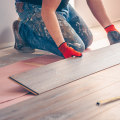
- Difficult Installation: Installing tile can be more complex than hardwood due to the need for precise cutting and leveling.
Your choice will ultimately depend on your lifestyle, budget, and aesthetic preferences. By weighing these factors carefully, you can select the flooring that best suits your home and enhances its beauty for years to come.
Trends in Hardwood Flooring: What’s In and What’s Out
As we delve into the world of hardwood flooring trends, it’s essential to recognize that while styles may evolve, the core appeal of hardwood remains steadfast. Homeowners and designers alike are increasingly gravitating towards finishes that not only enhance the natural beauty of wood but also align with contemporary aesthetics.Current Styles in Hardwood Flooring
- Gray Finishes: One of the most sought-after trends is the use of gray finishes. These hues range from light, silvery tones to deeper charcoal shades, providing a modern twist on traditional wood.
Gray hardwood floors can create a sophisticated backdrop for various design styles, from rustic to contemporary.
- Whitewashed Options: Whitewashed hardwood floors are another popular choice, offering a fresh and airy feel to any space. This finish allows the natural grain of the wood to shine through while imparting a light, beachy vibe that is perfect for coastal or minimalist designs.
- Wide Planks: Wider planks are making a significant comeback. They not only create a sense of spaciousness but also highlight the unique characteristics of each board, making them ideal for open-concept living areas.
- Textured Finishes: Textured finishes, such as wire-brushed or hand-scraped surfaces, add depth and character to hardwood floors. These finishes can help hide scratches and dents, making them practical for high-traffic areas.
Choosing Timeless Styles
While it’s tempting to follow fleeting trends, selecting timeless styles is crucial for ensuring your flooring remains appealing for years to come.
Here are some tips:
- Stick to Neutral Tones: Opt for neutral colors that can easily adapt to changing decor styles. Shades like natural oak or walnut provide versatility and can complement various color palettes.
- Avoid Overly Trendy Finishes: While unique finishes can be enticing, they may not stand the test of time. Instead, choose classic finishes that enhance the wood's natural beauty without overwhelming it.
- Consider Grain Patterns: Select hardwoods with timeless grain patterns, such as oak or maple. These woods not only offer durability but also possess an inherent beauty that transcends trends.
By focusing on popular finishes like gray and whitewashed options while prioritizing timeless designs, you can create a stunning foundation for your home that will endure through changing tastes and styles.
The Aesthetic Versatility of Wood-Looking Tile Floors
Wood-looking tile floors have revolutionized the way we perceive flooring options, offering an impressive blend of aesthetics and functionality. One of the most compelling aspects of these tiles is their aesthetic versatility , which allows them to seamlessly integrate into a variety of interior design styles.Available in a wide array of colors and textures, wood-look tiles can mimic the appearance of various wood species, from the rich tones of mahogany to the light hues of oak. This diversity enables homeowners and designers to select tiles that perfectly match their vision for a space. For instance, dark, rich browns can create a cozy, traditional atmosphere, while light, airy shades can evoke a modern, minimalist feel.Moreover, the texture of wood-look tiles can vary significantly.Some tiles feature a smooth finish that reflects light beautifully, enhancing the sense of space in smaller rooms. Others may have a more rustic texture that adds depth and character, making them ideal for farmhouse or industrial-style interiors.When it comes to design versatility, wood-look tiles are not limited to just one aesthetic. They can complement various styles:
- Modern: Sleek, polished wood-look tiles in neutral tones can enhance contemporary spaces.
- Rustic: Textured tiles with distressed finishes can bring warmth and charm to country or cottage-style homes.
- Industrial: Darker shades with rough textures can fit perfectly in urban lofts or industrial settings.
- Scandinavian: Light-colored wood-look tiles can create a bright and airy atmosphere typical of Scandinavian design.
This flexibility allows for creative expression; for example, pairing light wood-look tiles with bold accent walls or colorful furnishings can create striking visual contrasts.In summary, the aesthetic versatility of wood-looking tile floors makes them an exceptional choice for any home. With their ability to mimic natural wood while offering durability and ease of maintenance, these tiles provide endless possibilities for creating beautiful and functional spaces.
Maintenance Tips for Hardwood and Wood-Looking Tile Floors
Maintaining the beauty and integrity of your hardwood and wood-looking tile floors is essential for ensuring their longevity and aesthetic appeal. With the right care, these flooring options can remain stunning for years to come. Here are some practical maintenance tips to help you keep your floors in top condition.Daily Care
For both hardwood and wood-looking tile floors, daily maintenance is crucial.Here are some simple steps:
- Dust and Sweep Regularly: Use a soft-bristle broom or a microfiber dust mop to remove dirt, dust, and debris. This prevents scratches and keeps your floors looking clean.
- Use Area Rugs: Place area rugs in high-traffic zones to protect your floors from wear and tear. Ensure that the rugs have a non-slip backing to prevent accidents.
Weekly Cleaning
In addition to daily care, a weekly cleaning routine can help maintain the shine of your floors:- Mop with Care: For hardwood floors, use a damp mop with a cleaner specifically designed for wood. Avoid excessive water, as it can damage the wood.
For wood-looking tile, a mild detergent mixed with water works well.
- Check for Scuffs: Regularly inspect your floors for scuff marks or stains. Use a soft cloth and a gentle cleaner to remove them promptly.
Monthly Maintenance
Once a month, consider performing deeper maintenance tasks:- Polish Hardwood Floors: Applying a quality wood floor polish can enhance the shine and provide an extra layer of protection against scratches.
- Inspect Grout Lines: For wood-looking tile, check the grout lines for discoloration or damage. Clean them with a suitable grout cleaner to keep them looking fresh.
Seasonal Care
As seasons change, so do the needs of your flooring:- Avoid Excessive Moisture: In humid months, consider using a dehumidifier to prevent moisture buildup that can warp hardwood floors.
- Protect from Sunlight: Use window treatments to shield your floors from direct sunlight, which can cause fading over time.
Sustainability Considerations in Flooring Choices
As homeowners become increasingly aware of their environmental footprint, the demand for sustainable flooring options has surged.When considering flooring choices, it is essential to evaluate not only the aesthetic appeal and durability but also the sustainability of the materials used.
Eco-Friendly Hardwood Options
Hardwood flooring can be a sustainable choice if sourced responsibly. Look for hardwood that is certified by organizations such as the Forest Stewardship Council (FSC). This certification ensures that the wood comes from forests that are managed sustainably, promoting biodiversity and preventing deforestation. Additionally, consider reclaimed hardwood, which repurposes wood from old buildings or furniture, reducing the need for new timber and minimizing waste.
Wood-Looking Tile: A Sustainable Alternative
For those who desire the look of wood without the environmental impact, wood-looking tile presents an excellent alternative.
These tiles are often made from natural clay and other eco-friendly materials, making them a more sustainable option compared to traditional hardwood. Furthermore, many manufacturers are now producing these tiles using recycled materials, further enhancing their eco-friendliness.
Environmental Impact of Flooring Materials
The environmental impact of flooring materials extends beyond their source. The production process, transportation, and installation all contribute to a product's overall carbon footprint. Opting for local suppliers can significantly reduce transportation emissions.
Additionally, consider flooring options that require minimal adhesives or finishes, as these can release volatile organic compounds (VOCs) into the air, affecting indoor air quality.
Long-Term Sustainability
When selecting flooring, it’s crucial to think long-term. Durable materials like hardwood and high-quality wood-looking tiles not only last longer but also reduce the frequency of replacement, which in turn lessens waste. Investing in sustainable flooring is not just about immediate aesthetics; it’s about making choices that benefit both your home and the planet.In conclusion, sustainability should be a key consideration in your flooring choices. By opting for eco-friendly hardwood or wood-looking tile options and being mindful of the environmental impact of your selections, you can create a beautiful space that aligns with your values and contributes positively to the environment.
FAQs About Hardwood and Wood-Looking Tile Floors
When considering hardwood and wood-looking tile floors, many homeowners have questions that can influence their decision-making process.Below are some frequently asked questions along with expert answers to help clarify common concerns.
What are the main differences between hardwood and wood-looking tile floors?
Hardwood floors are made from solid wood or engineered wood, providing a natural aesthetic and warmth. In contrast, wood-looking tile is a ceramic or porcelain product designed to mimic the appearance of wood. While hardwood offers a unique grain and texture, wood-looking tile provides greater durability and resistance to moisture, making it suitable for areas like bathrooms and kitchens.Are hardwood floors difficult to maintain?
While hardwood floors do require some maintenance, they are not overly complicated to care for. Regular sweeping or vacuuming helps remove dirt and debris, while occasional mopping with a damp cloth can keep them looking pristine.It’s essential to avoid excessive water exposure, as this can damage the wood. Additionally, applying a protective finish can enhance durability and ease of cleaning.
Can wood-looking tile be installed in wet areas?
Yes, one of the significant advantages of wood-looking tile is its water resistance. Unlike hardwood, which can warp or swell when exposed to moisture, wood-looking tile is ideal for wet areas such as bathrooms, kitchens, and basements. This makes it a versatile choice for homeowners looking for both style and functionality.How do I choose between hardwood and wood-looking tile?
Your choice should depend on several factors:- Aesthetic Preference: If you prefer the authentic look and feel of real wood, hardwood may be your best option.
- Durability Needs: For high-traffic areas or homes with pets, wood-looking tile may offer better longevity.
- Moisture Levels: Consider the humidity levels in your home; if you live in a humid climate or have areas prone to spills, tile may be more suitable.
- Budget: Generally, hardwood can be more expensive than wood-looking tile, both in terms of material costs and installation.
Do hardwood floors increase home value?
Yes, hardwood floors are often seen as a desirable feature in homes.They can enhance the overall aesthetic appeal and potentially increase resale value. Many buyers prefer homes with hardwood flooring due to its timeless beauty and durability.In conclusion, understanding the differences between hardwood and wood-looking tile floors can help you make an informed decision that aligns with your lifestyle and aesthetic preferences. Whether you choose the classic charm of hardwood or the practical benefits of wood-looking tile, both options offer unique advantages that can enhance your living space.
Conclusion: Choosing Timeless Flooring for Your Home
In summary, the choice of flooring can significantly influence the overall aesthetic and functionality of your home. Both hardwood and wood-looking tile floors stand out as exceptional options that not only enhance the beauty of your living spaces but also offer lasting durability and timeless appeal.Throughout this article, we have explored the unique characteristics of hardwood floors, which have been cherished for their natural beauty and warmth.The variety of finishes available today, including modern gray and white washes, allows homeowners to select a style that aligns with contemporary design trends while still embracing the classic essence of wood. This adaptability ensures that hardwood remains a relevant choice for years to come.On the other hand, wood-looking tile floors present an innovative solution for those who desire the look of wood without the maintenance challenges associated with natural materials. These tiles are engineered to replicate the intricate textures and patterns found in real wood, making them an attractive alternative that is both durable and easy to care for. With a plethora of colors and styles available, homeowners can achieve their desired aesthetic without compromising on practicality.When selecting flooring, it is crucial to consider not only current trends but also the long-term implications of your choice.
Opting for natural materials like hardwood or high-quality wood-looking tiles ensures that your flooring will withstand the test of time, both in terms of style and durability. As trends evolve, these materials will continue to resonate with homeowners seeking elegance and sophistication.Ultimately, investing in timeless flooring is about creating a space that reflects your personal style while providing comfort and functionality. Whether you lean towards the classic charm of hardwood or the modern versatility of wood-looking tile, both options promise to elevate your home’s interior design and provide a foundation that you can enjoy for years to come.